Resources
Browse by topic
29 resources
Link
ARIBERT HEIM : médecin du camp de Mauthausen
VimeoRepublican MemoryOpen resource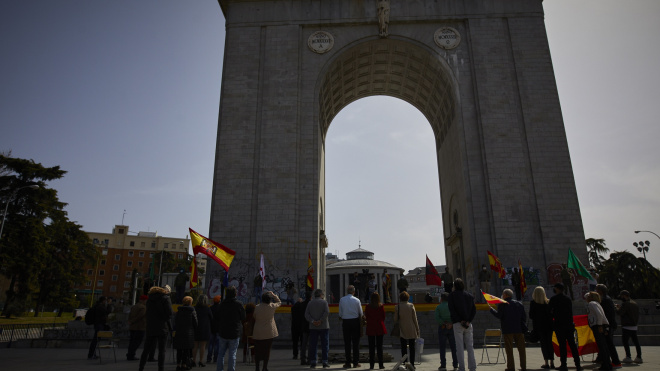 Link
LinkEl arco que levantó Franco y que la democracia no se atreve a tocar: "¿Para qué impulsan una ley si no la aplican?" | Público
publico.esRepublican MemoryOpen resource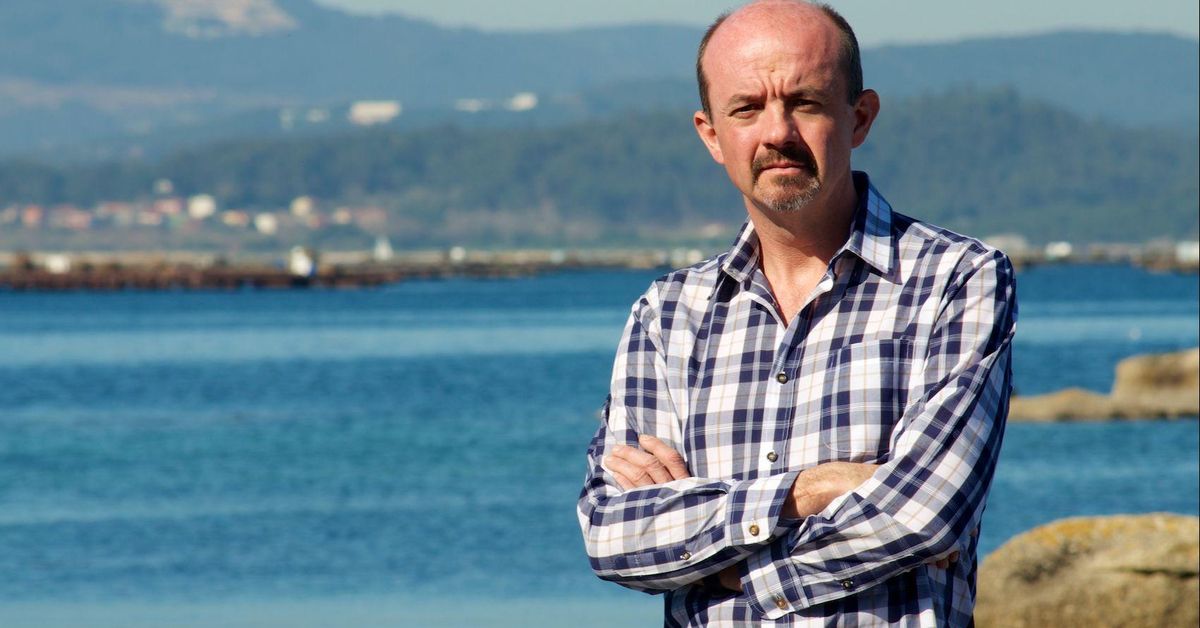 Link
LinkMuere el periodista y escritor Carlos Hernández a los 56 años, un profesional comprometido con la verdad y los derechos
La RegiónOpen resource Link
LinkDeux sénatrices veulent que le dictateur Franco soit déclaré "indigne de sa Légion d’Honneur" - lindependant.fr
lindependant.frLegion of HonourOpen resource Link
Link'Stolpersteine Madrid': el matrimonio de jubilados que homenajea a los españoles deportados por el nazismo | Público
publico.esRepublican MemoryOpen resource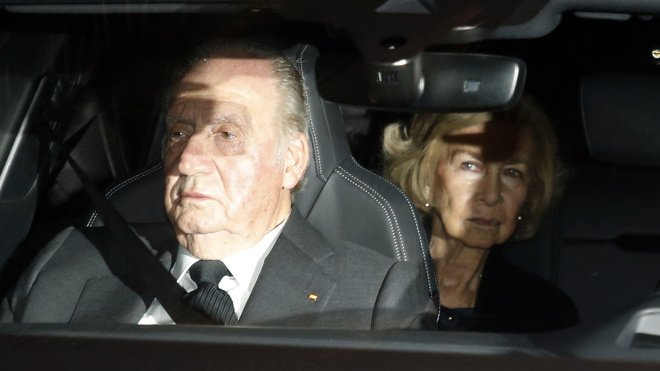 Link
LinkFranquista, machista, infiel, ególatra y defraudador: las memorias de un rey no tan campechano | Público
publico.esRepublican MemoryOpen resource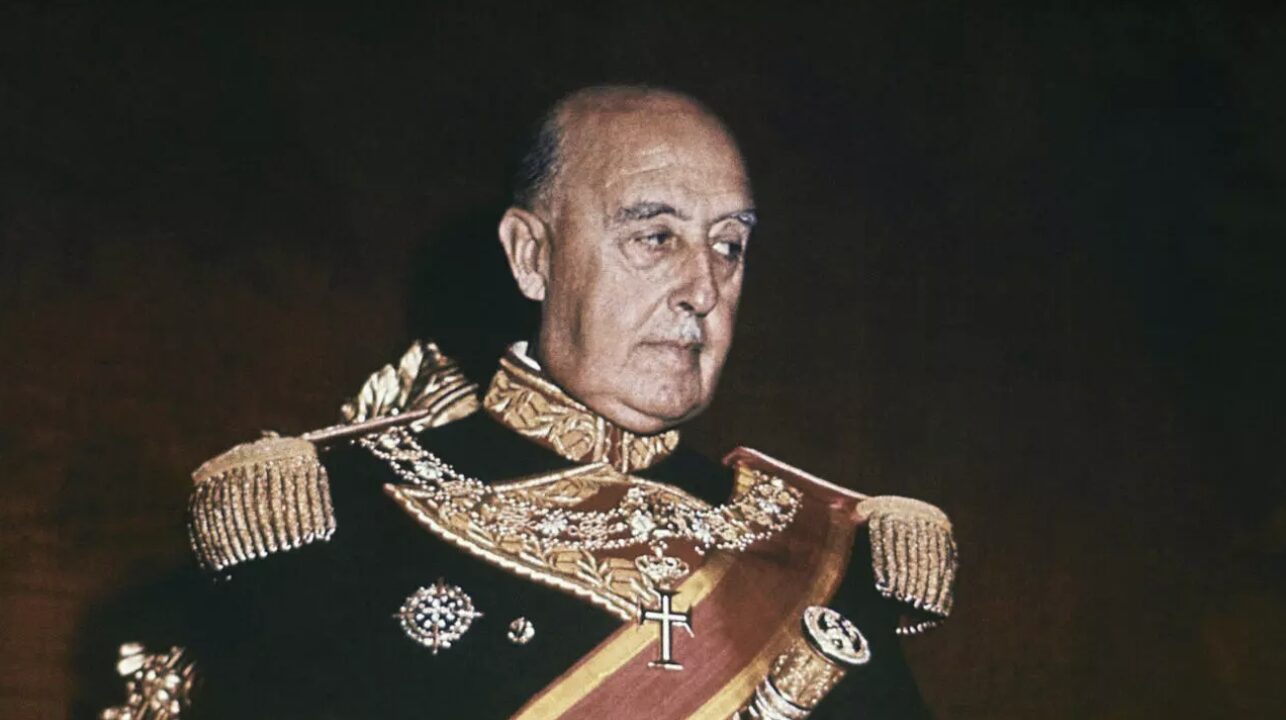 Link
LinkPourquoi Franco est toujours titulaire de la Légion d'honneur française
EquinoxLegion of HonourOpen resource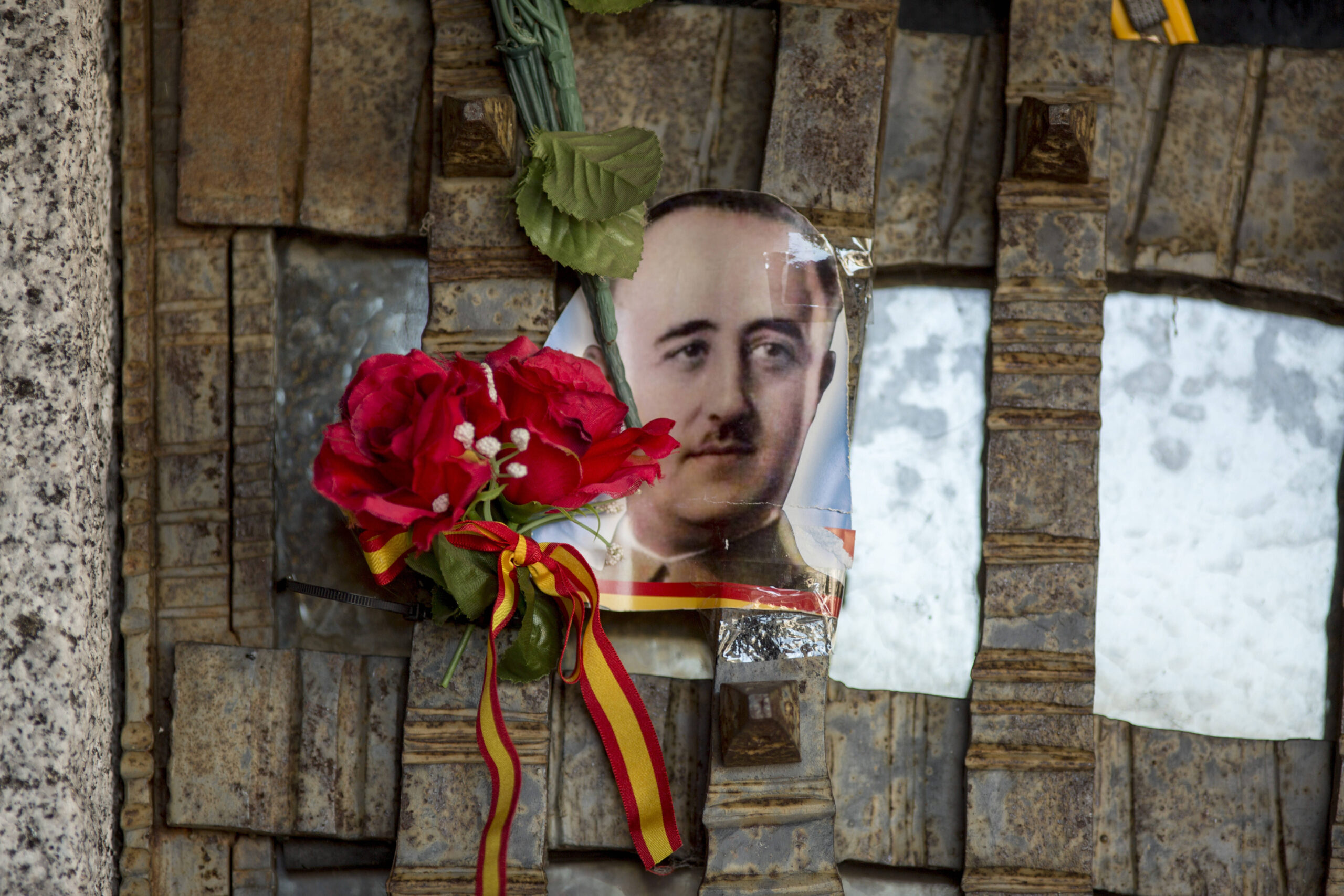 Link
Link« Celui qui a fait tant de mal ne peut pas être distingué par le pays des droits de l’Homme » : une résolution déposée au Sénat pour retirer la Légion d’honneur à Franco
Public SénatLegion of HonourOpen resource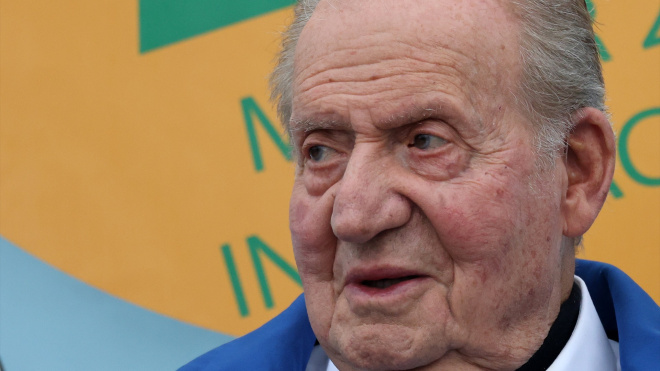 Link
LinkLas (des)memorias del rey honorífico | Público
publico.esRepublican MemoryOpen resource Link
LinkEl Gobierno de Castilla-La Mancha valora y cumple la Ley de Memoria Democrática estatal por lo que no ve necesaria una ley regional Gobierno de Castilla-La Mancha
Gobierno de Castilla-La ManchaRepublican MemoryOpen resource Link
LinkStory 3 : Depardieu, C. Bouquet choque les féministes - 22/12
BFMOpen resource Link
LinkJean Ferrat-Nuit et brouillard-paroles
YouTubeRepublican MemoryOpen resource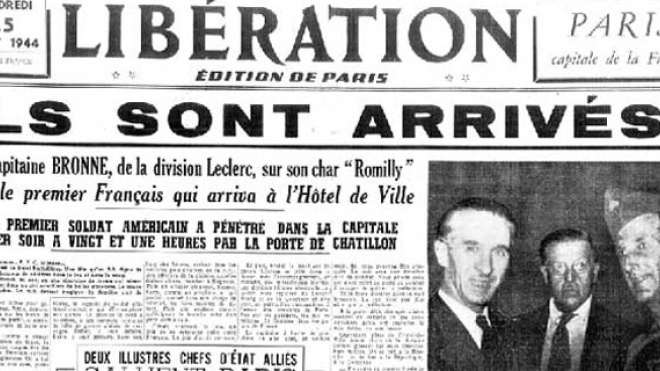 Link
LinkEl nazi que regaló su reloj a un soldado republicano | Público
publico.esRepublican MemoryOpen resource Link
LinkAPCE - Recommandation 1736 (2006) - Nécessité de condamner le franquisme au niveau international
assembly.coe.intLegion of HonourCivic EngagementOpen resource- Link
rfi.fr
rfi.frRepublican MemoryOpen resource Link
Espagne, une guerre sans fin - Histoire | ARTE
ARTERepublican MemoryOpen resource Link
LinkLes mécanismes de la plus longue dictature du XXe siècle | France TV & Vous
Les mécanismes de la plus longue dictature du XXe siècleRepublican MemoryOpen resource- Link
france24.com
france24.comRepublican MemoryOpen resource - Link
france24.com
france24.comRepublican MemoryOpen resource  Link
LinkLe Figaro - Avant de poursuivre votre lecture ...
lefigaro.frLegion of HonourOpen resource Publication
Remise du rapport Comission Duclert - Légion d'honneur Franco
Legion of HonourView resource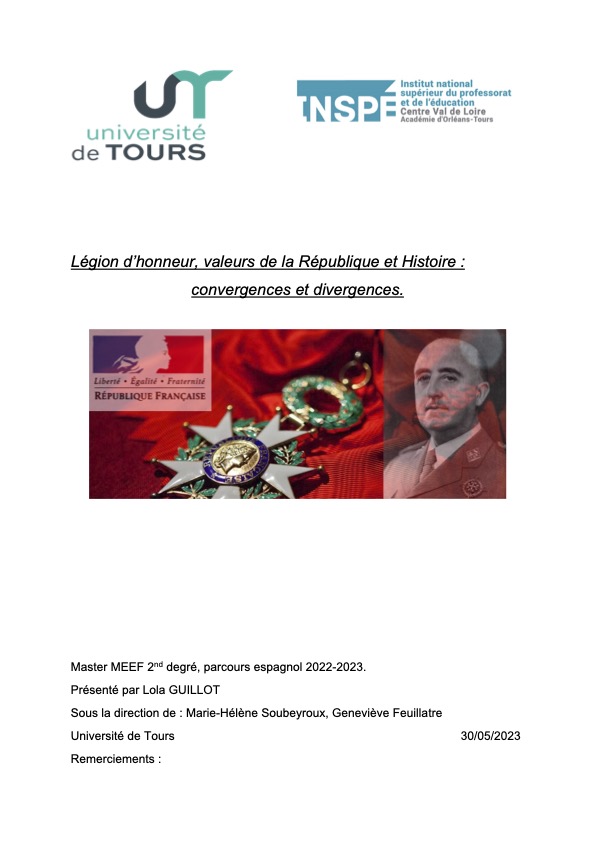 Publication
Thèse Lola GUILLOT - Master MEEF 2nd degré, parcours espagnol 2022-2023
📎 PDF attachedLegion of HonourCivic EngagementLégion d’honneur, valeurs de la République et Histoire : convergences et divergences. Sous la direction de : Marie-Hélène Soubeyroux, Geneviève Feuillatre Université de Tours
View resource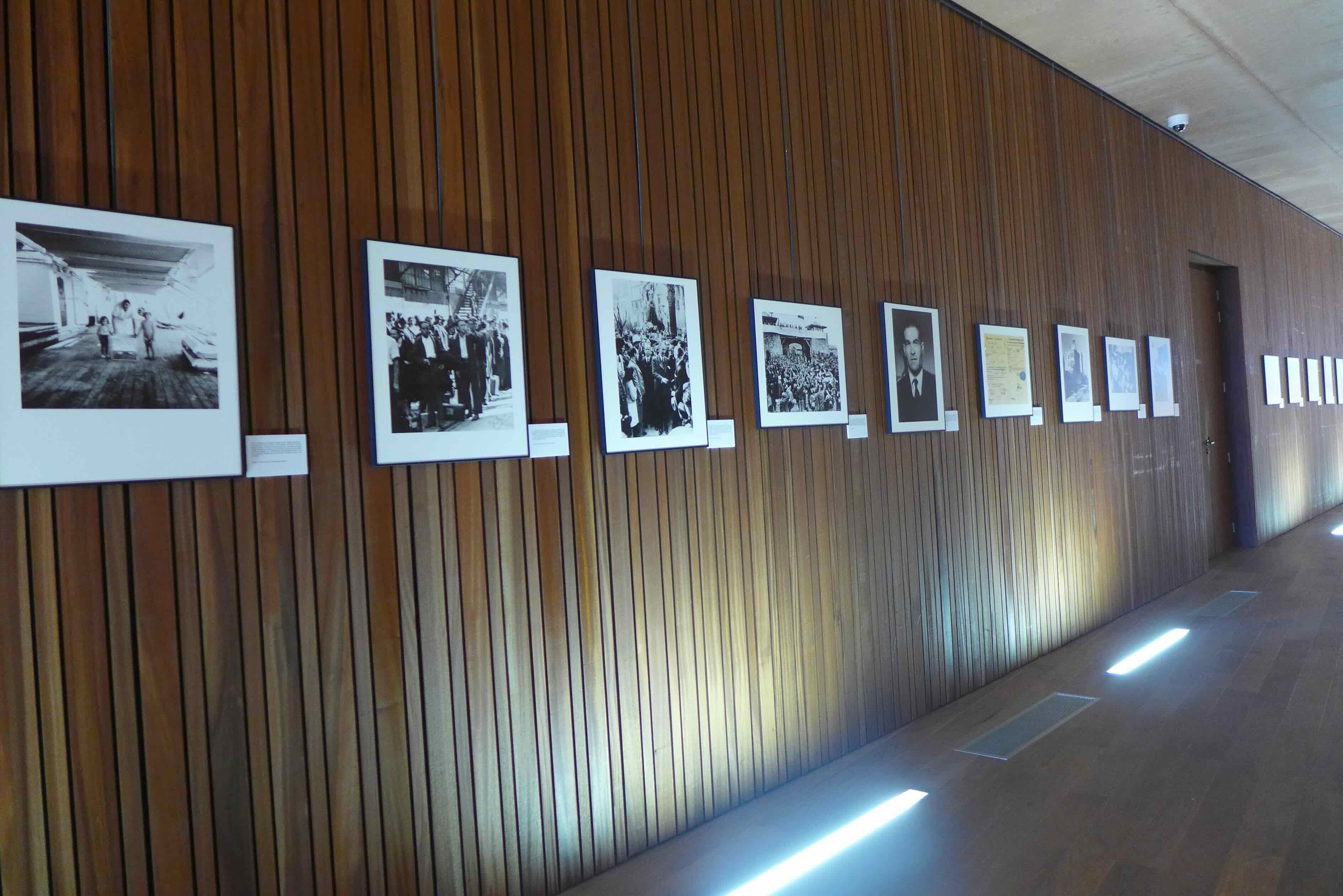 Publication
TESTIMONY OF MY FATHER JOSE OCANA GARCIA – 1907-1989
Republican MemoryNo. 4617 ARRIVAL AT MAUTHAUSEN, BECOMING No. 48294 AFTER BEING SUBSTITUTED FOR A DEAD MAN I lived my life as a deportee like an animal, without asking myself too many metaphysical questions, thinking as little as possible, avoiding emotions. Constantly on guard, blending into the mass to avoid blows. I had become a transparent being with only one concern: to stay alive, to prove false the destiny the camp Commandant foretold for us when, with each new convoy of prisoners, he would say: “You entered through that gate, and you will all leave through the chimney.” Hearing this prediction, I would tell myself that one day death would pass through me. I often came close to death; so much so that for some time after my liberation I considered myself, however unreal it may seem, not as “a survivor,” but as “one returned from the dead.” For five years I lived in cold, hunger, fear, mistreatment, and constant anxiety, asking myself every day the question: WHY? To begin to find an answer, I had to learn to understand the system into which I had been plunged, this world without temporal reference, and understand it in order to fight it. It was daily events that brought me fragments of an answer which, added one to another, led me to the conclusion that we were instruments of an ideology whose purpose was to make people accept that there existed a superior race: the Germanic race. A race to which we did not belong, because to our executioners—fanaticized by an indoctrination that denied their adversary the quality of being human—we were “sub-humans.” I then understood that in the concentration camp system I had value only so long as I was productive, so my daily concern was to preserve my strength in order to be present at morning roll call—not to produce for the SS, but to thwart the plans of those who wanted to enslave me before annihilating me morally and, in the end, physically. It was also, in the face of the degradation and humiliation imposed by the SS, the only response that filled me with courage. Every morning on the roll-call square, as the guard passed counting us, I would say to myself: “Criminal, here I stand, present and upright. Franco did not defeat me, and neither will you!”
View resource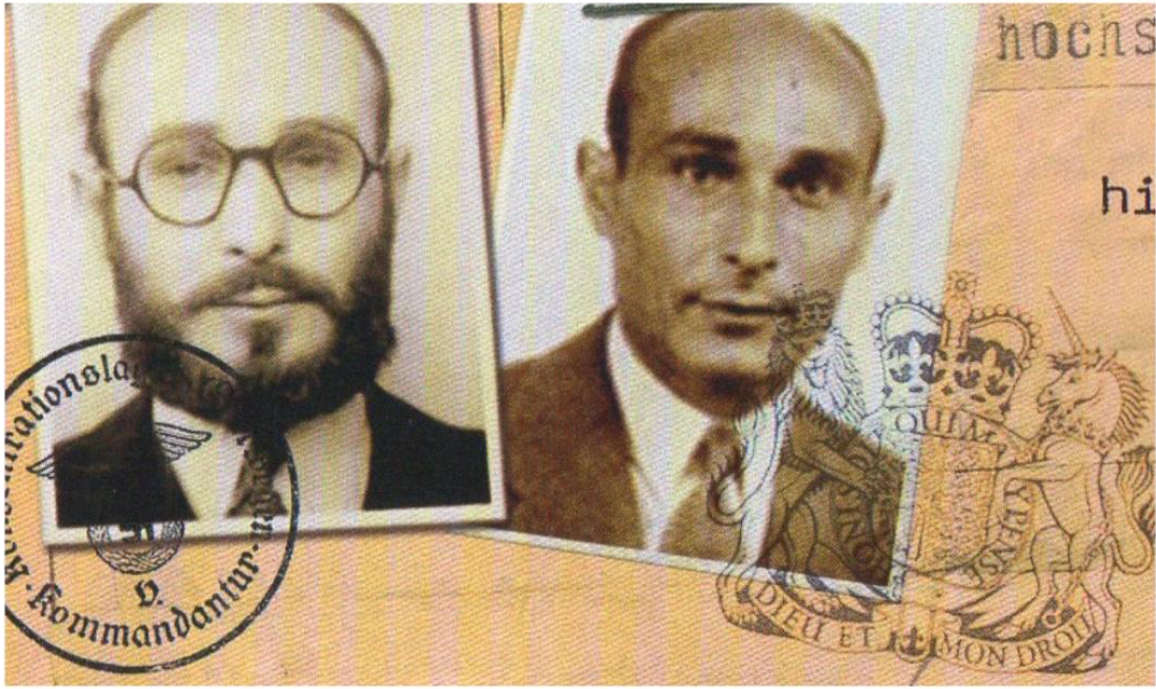 Publication
JUAN PUJOL GARCÍA, known as “GARBO”
Republican Memory“THE SPY WHO SAVED THE WORLD” — as Winston Churchill called him Here, in summary, is what I have learned about the extraordinary and yet entirely true story of a man who achieved what the most powerful armies in the world could not have accomplished: to outwit the Nazi machine and lead it toward defeat. This man was a Spaniard, one more hero far too long forgotten by History. It is the story of the agent codenamed “Garbo” by the British and “Arabel” by the Germans—an adventure so incredible and improbable that it deserves to be known and brought to light. The high point of his actions came in 1944, when he succeeded in diverting German defensive forces toward the Pas-de-Calais while the Allies landed in Normandy, thus preventing a terrible bloodbath. To achieve this, he created a vast network of 27 fictitious sub-agents living in different parts of Great Britain, who would provide him with information born entirely from his imagination, yet convincing enough to interest and manipulate the Germans. Garbo became an essential link in the great deception known by the codename “Fortitude,” designed to make Hitler believe that the Allied landings of June 6, 1944, were only a diversion masking a full-scale invasion through the Pas-de-Calais. Operation Fortitude was not, strictly speaking, a military operation in itself. It consisted of gathering countless means used by the Allies to mislead the enemy about the location and date of Operation Overlord. In other words, the operation can be summed up in a single word: DECEPTION. Garbo sent hundreds of messages supposedly coming from his “fictitious” agents. He created a scenario worthy of the greatest film directors, for he was a master in the art of manipulation, which earned him recognition from British intelligence as “the greatest actor and spy of all time.” Based on this scenario, the British set the stage on the ground. They created phantom divisions, deployed fake military equipment (inflatable trucks and tanks, wooden aircraft, moving dummy vehicles, civilians dressed as soldiers). They even brought in Patton to lend further credibility to the operation. All this staging—with troop movements on the roads around Dover—gave weight to Garbo’s reports to the Germans, who, completely deceived for several weeks, kept two armored divisions and nineteen infantry divisions in the Pas-de-Calais awaiting an invasion. This gave the Allies precious time to establish their beachhead in Normandy. In this strategic episode, the German Commander-in-Chief, Field Marshal von Rundstedt, was among those most thoroughly deceived, to the point of disregarding the advice of General Rommel, who, not being listened to, left the front to celebrate his wife’s birthday and meet Hitler to request additional divisions to be stationed in Normandy. Rommel could not understand the Führer’s obstinate determination to maintain a major military force in expectation of a landing in the Pas-de-Calais, announced by what was considered a reliable source: Garbo. Thus Rommel was absent at the very moment the Atlantic Wall was about to face “the apocalypse.” On the eve of D-Day, Garbo sent a message warning the Germans that the invasion would take place on June 6 in Normandy. But he calculated that his message would reach German hands only after the landings had begun, because he knew the German radio operator based in Madrid would fail to keep the scheduled contact. Only the following day did the Germans grasp the full significance of the missed message—while granting even greater credibility to their agent Garbo for his reliability. This earned him the enduring trust of the Germans, who decorated him with the Iron Cross, Second Class (an award reserved for frontline combatants and requiring Hitler’s personal authorization). The British, for their part, were no less appreciative and awarded him the Victoria Cross, knowingly. As a result, he remains the only man ever to have received a decoration from both opposing sides. After the war, Pujol (Garbo), fearing reprisals from surviving Nazis and with the help of British intelligence, went to Angola, where in 1949 he staged his own death from malaria. From there he moved to Venezuela, where he lived in anonymity. Only in 1984, after years of investigation, did British politician Rupert Allason trace him and persuade him to come to London, where, during the commemorations of the 40th anniversary of Operation Overlord, the essential contribution of Juan Pujol García — alias Garbo — to victory was finally made known to all. Prince Philip of Edinburgh received him at Buckingham Palace and invited him to stand beside him during the D-Day ceremonies on the beaches of Normandy. Pujol (Garbo) died in Caracas in 1988 and was buried in a National Park. Such is the extraordinary story of a man of ordinary appearance who never held a pistol in his hand and whose only weapon was his extraordinary imagination. Jean Ocana — December 2017
View resource- Publication
SPANISH CIVIL WAR – TEXT FOR HIGH SCHOOL LECTURE – 2013
Republican MemoryDuring the period between January 28 and February 12, 1939, 500,000 Spaniards—civilians and soldiers, women and children—crowded onto the roads leading them to the French border. This was La Retirada. It was the flight of a Spain divided in two, which, after the famous Battle of the Ebro, left the Republican Army exhausted and wounded after long and bitter fighting. The Nationalist troops of General Franco were gaining ground and launched their campaign in Catalonia; on January 26, Barcelona fell. Thus began the long march toward freedom. A chaotic, desperate, exhausting march. The main roads were under enemy fire and bombardment. Gutted horses, dying wounded, and corpses littered the ground. Everyone hurried forward, carrying what little they had left: suitcases, clothes, carts. Hunger and the freezing January cold made the crossing of the Pyrenees even more difficult. Buried sometimes under more than a meter of snow, women laboriously carried children, others helped the disabled, some sang… The flow of those who had left their country, their families, their fathers and mothers, moved forward in the hope of finally seeing that long-awaited border… They would face further difficulties and new humiliations… These people were not fleeing because they were murderers; they were Spaniards with principles and values, concerned with politics and social issues. They were fleeing because they refused to accept the system that was about to govern Spain and of which they were already victims. They had no weapons, no food, and they abandoned their families, their homes, and their land for simple political principles they idealized. In France, this influx of refugees blocked at the border caused fear. The press quickly split into two camps: “victims of fascism,” “fighters for freedom,” or on the other hand “remnants of the Red Army,” “murderers of priests.” Some newspapers, and in particular parts of the local press, refused to let pass “a cohort of criminals, rapists of nuns, scum of the earth, torturers, red rabble, foreign filth…” France did not feel the need to absorb this immense, uncertain and chaotic wave, and a deep fear spread among the population. Fear of a “red” overflow became stronger than the desire to help. On the other side, socialist and communist newspapers demanded that this procession of “fighters of the Republic” be welcomed with humanity. On February 5, 1939, an appeal for generosity was launched, supported by many Catholic figures as well as writers and philosophers such as André Gide, Henri Bergson, and François Mauriac. A heated debate followed, and the government was forced to open the borders. On January 31, 1939, the decision was made to open the first internment camp at Argelès-sur-Mer. France, completely unprepared for this influx, gradually organized itself. Many camps were then “built” across the region: Saint-Cyprien, Le Barcarès, Agde, Rivesaltes, Le Vernet, Septfonds, Gurs, Bram, etc. They were mostly guarded by gendarmes, Senegalese soldiers, and Spahis. These improvised camps were nothing more than hastily built wooden barracks with no running water and no hygiene measures. Women, children, and the elderly (around 170,000 people) were separated from able-bodied men and sent to abandoned buildings or temporary shelters. The wounded were hospitalized, but facilities were quickly overwhelmed. Here too, no support system was in place, and the injured sometimes had to walk for days from Argelès to reach the hospital in Perpignan, even though they had already come from Barcelona or Figueres, suffering from various wounds, cutting branches to make stretchers, patching filthy bandages with string. Starving, wounded, exhausted, many died of gangrene. For those who had “ended up” on the beaches of Argelès and Saint-Cyprien (around 275,000 people), an area already considered malarial, the disappointment was immense, and they experienced horror and misery. The beaches, in the middle of February, were beaten by freezing winds. People had to dig holes in the sand to try to find some warmth or burn rifle butts to make fire. All would later say they were treated like cattle—and troublesome cattle at that. Because if a few Spaniards temporarily acted as carpenters, thanks to a timber merchant who provided wood to build the first shelters, very quickly a new necessity arose: posts had to be installed to set up barbed wire and “pen in” this massive population. Thus, the camps of Argelès and Saint-Cyprien offered these refugees of the Republic rows of barbed wire, sand, and mud. Without blankets, bodies numbed by the cold waited in the early morning for the “bread truck.” The bread was thrown randomly to everyone; those who could grab it were lucky, and the others were left with nothing. Then other supplies were distributed, but queues quickly turned into fights as hunger twisted stomachs. And another mystery: the animals brought by the refugees were not all slaughtered for food and also ended up dying. Nevertheless, life slowly organized itself. Some refugees escaped the guards and slipped out at night to steal pieces of metal or car bodies from abandoned vehicles to improve shelters. But very quickly dysentery, scabies, lice, and fleas spread through these improvised camps. Some nearby villages refused to open their cemeteries, and the dead were buried in vineyards near the beaches. Gradually, the departments organized themselves, living conditions in the camps improved, supplies, blankets, and straw were brought in, but the landscape remained the same: barbed wire and watchtowers. To this feeling of confinement was added anxiety due to uncertainty. Many refugees had been separated from their families, either at the border, during group allocations, or back in their homeland. What had become of them? Were they still alive? The uncertainty about their families’ fate was added to the uncertainty of their own fate. What would become of them? Would they remain stateless forever? Would Spain remain Franco’s Spain? Anxiety and despair weighed heavily on morale. They were young, and they held on, as the average age was between 20 and 30. And there were all kinds of people: notables, workers, teachers, peasants, artists, craftsmen, rich, poor, educated or not—they were all there for the same reasons. The Spanish spirit is combative and festive in all circumstances. Thus, even in these camps where basic necessities barely existed and basic human rights were violated, a rich and undoubtedly life-saving social life emerged. Teachers opened writing workshops for illiterate people, poetry workshops, theatre groups, music groups, themed evenings. In the Barcarès camp, a real library was available, students taught history, languages, geography, economics, mathematics, etc. Newspapers appeared, some illustrated with drawings or paintings by artists, and despite controls and confiscations, the external press—mainly communist—managed to enter the camps. In Gurs camp, three orchestras performed in the “culture barracks.” One was conducted by the director of the Madrid Orpheon, made up of twelve musicians who, in their escape, had miraculously saved their instruments. And thus this Hispanic culture, drawn from hope, ideology, and conviction, provided the essential breath needed for survival. A wound: that of being forced to abandon their country. Human stories that are not forgotten, because they are told with the particular emotion of those who suffered. They are based on facts and a very specific period of history, but I especially want to tell the small stories of each person, the pain, the moments of doubt, of hope, and also of joy. I cannot fail to mention the tragedy of the stolen children. Many Republican women had their children taken away under the pretext that “the Reds” were sick and needed to be raised by “upright” parents. A network of illegal adoptions spread across Spain and continued long after Franco’s death. In hospitals, these women were told their child had died, and the family was given a small coffin… empty. Babies were bought at high prices. Today people are finally speaking out; thousands of people have no identity and have lost their origins. A thousand complaints are under investigation, and entire families are waiting to “know.” I chose to speak about the exile of the Spanish people because memory is failing us and the last witnesses are disappearing. We must learn from history, but if this history is no longer told, who will know it? I carried out a small survey among people in their twenties: none of them knew about La Retirada, none knew the role of Spaniards during the Second World War. There is, of course, a duty of memory, but also a need for awareness. In a time when we speak of global crisis, are we really safe from experiencing such an exodus? Would we be better prepared than in 1939 to welcome 500,000 refugees? Could we extend a hand to them? Would we be ready to share? These are questions we must one day ask ourselves. And why were they forgotten? No history book mentions the role of “La Nueve” or the presence of Spaniards in the Resistance, nor the many roundups of which they were victims. This is what drives me to speak about La Retirada, about exile, so that this distortion of memory does not lead to oblivion. Today Spain is opening its wounds, mass graves are being uncovered, voices are being heard again. It took 36 years after Franco’s death.
View resource  Publication
Pépico, My Brother
Republican MemoryTO MY BROTHER in memory of my family, so that there may no longer remain half-extinguished fires behind us There is no family without history. The lives of those who came before us pass through us. Storytelling helps us weave their memory back together, to bring a forgotten past out of oblivion. For our family, the most deeply human of these stories is the murder, at the age of three, of our brother José, affectionately called Pépico. 1939 – The war is over. A civil war is particularly terrible in that it does not end on the day of the ceasefire. It continues through the revenge of the victors against the defeated camp to which we belonged. Hatred and brutality come to power, and we were to pay a heavy price for it. Pépico would pay for it with his innocent life in October 1940. With the last day of the month, the short life of our brother would also come to an end, a few days after his third birthday. Until then, the pages of this tragedy had remained blank, as if written in invisible ink in the memory of our family. They had been forgotten, set aside. No trace remains except his death certificate and the scar in the hearts of those who knew and loved him. ⸻ TESTIMONY OF MY SISTER ROSE: “In the last days of October 1940, Pépico began suffering from stomach pains. As his fever kept rising, we took him to the clinic. The doctor asked for the family record book to fill out a form. He noted that the father was a certain José Ocana García and asked my mother whether he was a former Republican officer. Seeing no harm in it, she answered yes. After a brief examination and without a word of explanation, he dismissed us. During the night, his condition did not improve and he developed headaches. The next day we returned to the doctor. He placed Pépico on a small bed and asked us to leave so he could examine him quietly, which did not reassure our mother. We were in the waiting room. A few minutes later, he came out carrying Pépico in his arms. He handed him to our mother and, without concern for the other people present, said: ‘tenga un hijo de rojo de menos’ (“have one less red son”), and pushed us outside without ceremony. On the way home, our mother walked faster and faster, because she could feel that her Pépico was “slipping away.” Once at home, she began to touch him, to caress his body as if to bring him back to life. She looked at his face, which was turning red. Bluish marks formed a collar around his neck. There was no doubt: he had been strangled. He died a few days after his third birthday. Not a natural or acceptable death—if death can ever be acceptable—murdered because he was the son of a Republican officer and therefore undesirable to this Francoist caste to which the executioner belonged, and which considered us “red vermin,” a term used by Franco to describe the defeated. He was buried only wrapped in a sheet embroidered with our parents’ initials. Buried as if he were nothing, outside humanity, in common grave no. 3. Without even a modest grave, without a place of remembrance, without markers, which would later make his location difficult, especially as hundreds of Republican executions were buried on top of him every day, in disorder. For our mother, her child remained forever within her, as if grafted onto her body by the force of an atrocious act. Her rebellion was internal; she could not express it outwardly. There was no recourse against this horrible man. Anyone who has not lived through the worst period of Franco’s dictatorship cannot understand why our mother did not file a complaint. To file a complaint would have put us all in danger. Wife of a wanted Republican condemned to death, what could she do against the murderer of her son, who was also an important member of the fascist groups in the city? It was a time when the Phalangists, the “blue shirts,” executioners of dirty work, could with impunity decide the fate of people deemed undesirable, subjecting them to the worst atrocities. Out of vengeance, she feared becoming part of those long processions they formed with naked women, their heads shaved, forced to drink castor oil so that they would empty their bowels while being marched through the streets to humiliate them endlessly before curious onlookers or informers. To one nightmare they added another. When fear, hatred, and threat rule, they render people powerless, consciences are extinguished, and human beings surrender. That is what happened to our mother. This crime was committed with cold intent. A crime which, by the very fact of its cowardice, is a thousand times worse than the brutality of beasts. Could it be that inwardly the perpetrator took pride and satisfaction in a vengeance fulfilled? ⸻ CEREMONY AT THE CEMETERY OF ALBACETE On the stele, a plaque bears the inscription: “Remains of the ossuary prior to the democratic municipalities” PLAQUE IN MEMORY OF MY BROTHER – 1937–1940 ⸻ PHOTO OF THE PARTICIPANTS From left to right: Alfredito our little cousin – Rose our sister – Enriqueta our aunt – Myself – José María, son of friends of our parents – Alfredo our cousin and Maruja his wife. ⸻ Jean Ocana – Aussillon (France) – October 2014
View resource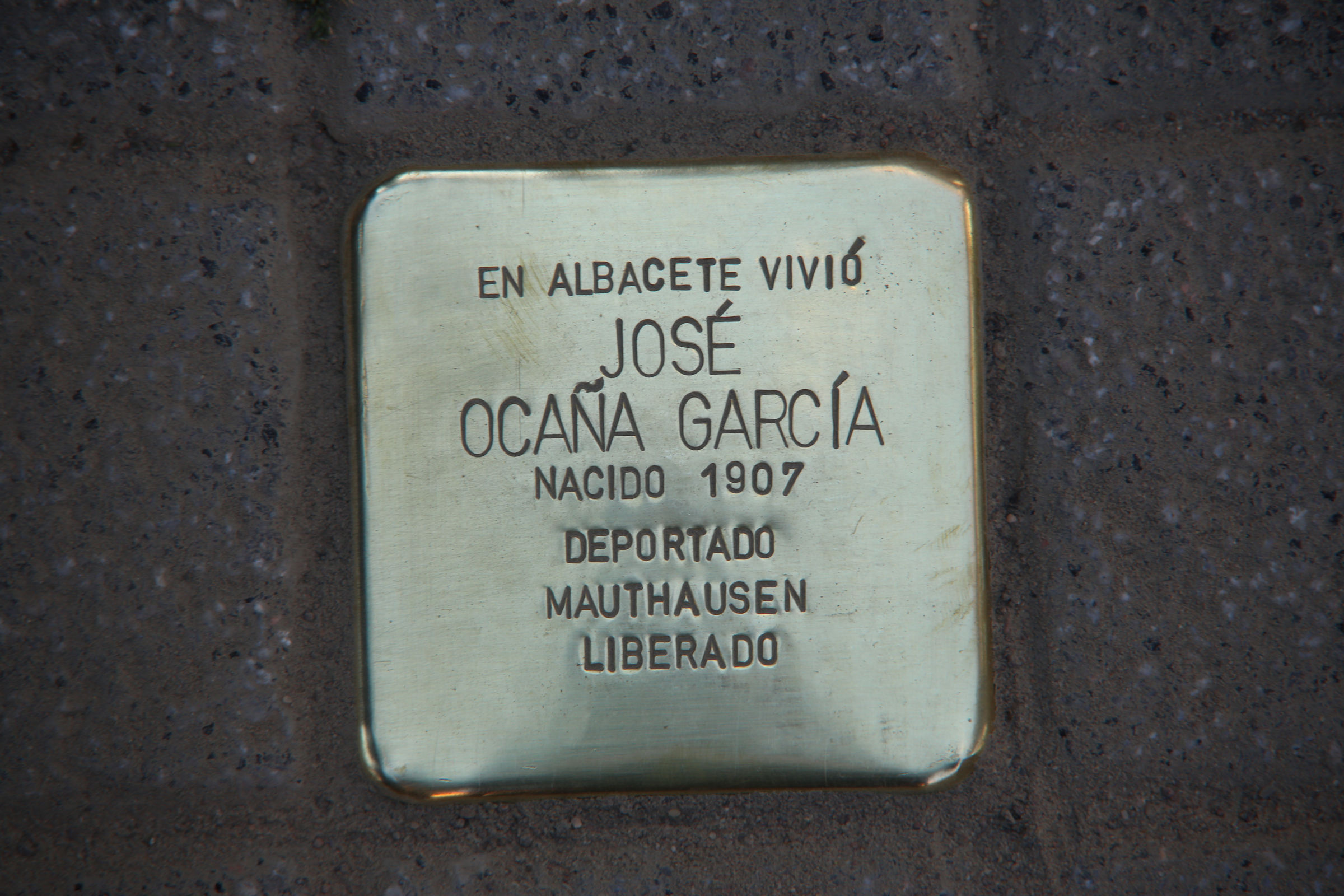 Publication
Stolperstein installation in Albacete
Republican MemoryCivic EngagementHello, First of all, I would like to thank the Governor of the Province, the Members of Parliament and Senators, the Mayor, the members of the Municipal Council in general, and Unidos Podemos in particular. My thanks also go to the German artist Günter Demnig, creator and installer of these memorial stones, without whom this act would not have been possible. My name is Jean Ocana, son of José Ocana García. During the Spanish Civil War my father was a supply officer in the Republican Army. He was responsible for receiving refugees fleeing the northern fronts, as well as the thousands of volunteers of the International Brigades who came to Albacete to defend the values of the Republic. Once the war ended, he was sentenced to death by the Franco regime and had no choice but to go into exile in France. (Can you imagine what it means to walk across half a country in search of freedom?) After crossing the Pyrenees he was immediately interned in the concentration camp of Argelès until the outbreak of the Second World War, when he volunteered in the French Army. In June 1940 he was taken prisoner by the Germans, spent several months in a Stalag in Germany, and was then deported to the extermination camp of Mauthausen in Austria, where he remained until his liberation on May 6, 1945. Mauthausen was a Category III camp, an extermination camp through forced labor — the most terrifying kind. Deportees died from a bullet to the neck, an injection of benzine to the heart, by throwing themselves against electrified barbed wire, from typhus, hunger, cold, or exhaustion. They were worn out after climbing several times a day the 186 steps of the quarry (equivalent to an eleven-story building) carrying stones weighing around 40 kilos on their backs, under blows from whips and kicks. For many, death lurked before the end of the day, with the gas chamber and the crematorium as the final destination, reduced to dust and oblivion: the Final Solution, as Hitler called it. The people we remember today are some of those 10,000 Spaniards who, from August 1940 to May 1945, were deported to Nazi extermination camps. More than 7,000 Spaniards were exterminated, including 96 from Albacete. That is why these stones honor the sacrifice of these brave men, fighters for freedom, who defended the values we enjoy today, who endured war, exile and deportation — and above all oblivion, because when the time came to account for what those years had been, no one made known to the world the tragedy lived by Spanish deportees. Only in the minds of the survivors were those horrors forever engraved. In a certain way, we also pay tribute to their wives, most of them condemned, who remained standing out of dignity when the victors sought to bring them to their knees; women for whom there was no escape, often alone in raising their children in the face of ostracism, beatings — such as those suffered by my mother — and rape. It is never too late to denounce the complicity of Francoism in the tragic fate of Spanish exiles. Franco was not a passive accomplice, nor did he look the other way. He was the instigator who ordered this extermination, sealed in Berlin, according to the declaration made by the commandant of Mauthausen: “Spaniards, surely you had never heard of Mauthausen until today. It is the Spaniards’ camp, the camp of death. You entered through this gate, and every last one of you will leave through these chimneys.” With this event we pay a well-deserved tribute to these people, so that they may not disappear into the ashes of oblivion, into general indifference, and as Günter so rightly says: “A person is only forgotten when his or her name is forgotten.” For us, as family members, this tribute is of inestimable value after so many years of silence and humiliation. In this world of immediacy, of the absolute trivialization of everything, of lies, this act is our way of restoring dignity to the human being. Finally, I would like to recall the trial in Madrid of Julián Besteiro, socialist president of Parliament during the Second Republic. When the court asked him where the gold of the Republic was, he replied: “The gold of the Republic lies in the walls of those shot, in the cemeteries, and in exile.” One may say that the gold of the Republic was also in the Nazi camps, and today it is here in these stones; their shine will blind unreason and illuminate consciences. Thank you. ALBACETE — 2 Avenida de la Estación — April 2, 2022
View resource Link
LinkUn hiver impitoyable | Les editions du net
leseditionsdunet.comRepublican MemoryOpen resource Link
LinkDéclarer Francisco Franco indigne de la Légion d'honneur
SénatLegion of HonourOpen resource